Miles of mountains. Hidden steel. No free lunches.
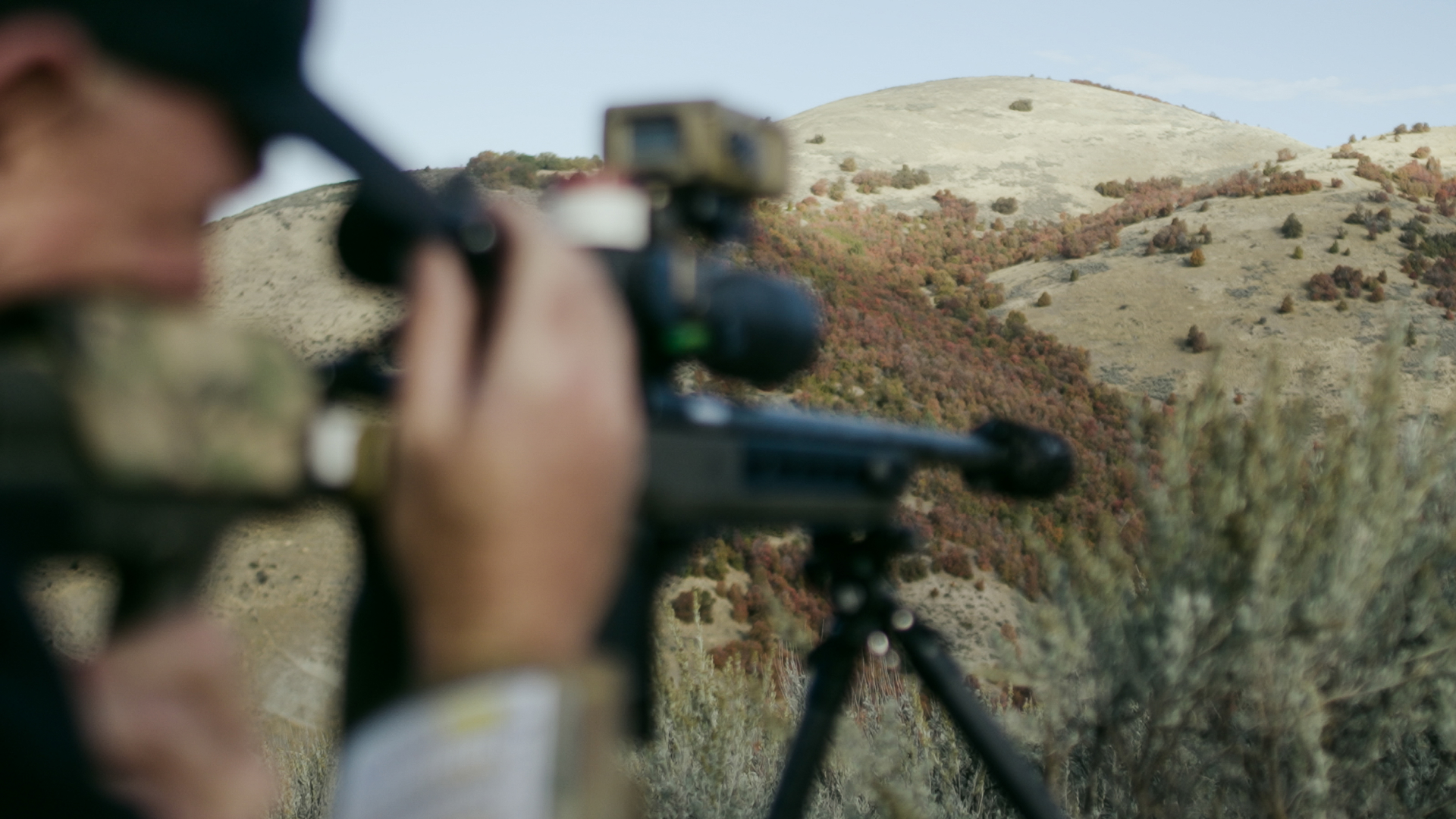
Before stepping off, Miller and Dixson trimmed their load. With limited pistol shooting, sharing one handgun seemed sensible. Less weight. Less ammunition. First, though, came a cattle gate. All targets had to be found, ranged, and engaged from underneath it. Dixson checked the wording with the range officer. No loophole.
They cleared the targets, sorted out a scoring communication mix-up, and headed uphill.
The tripod stayed put.
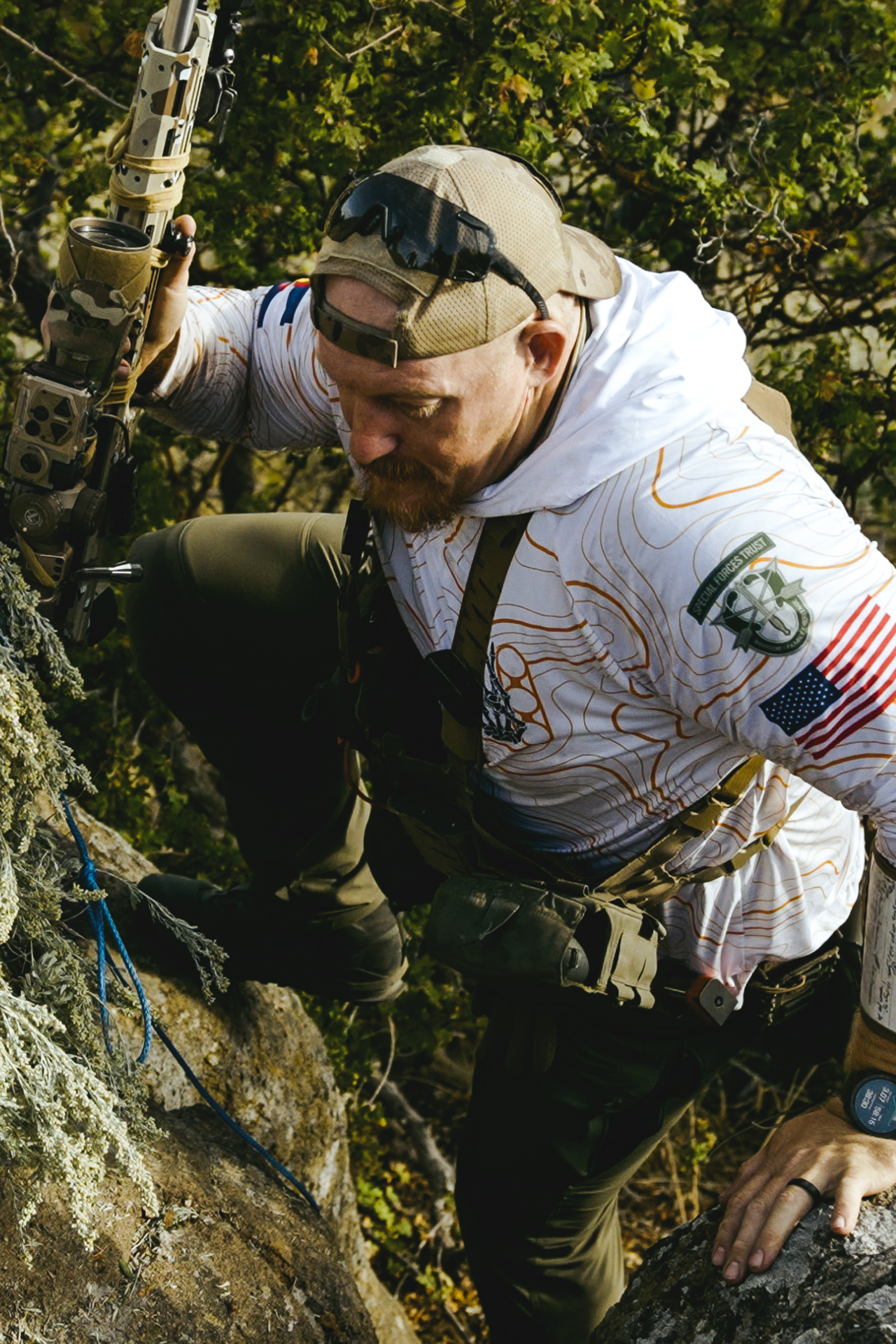
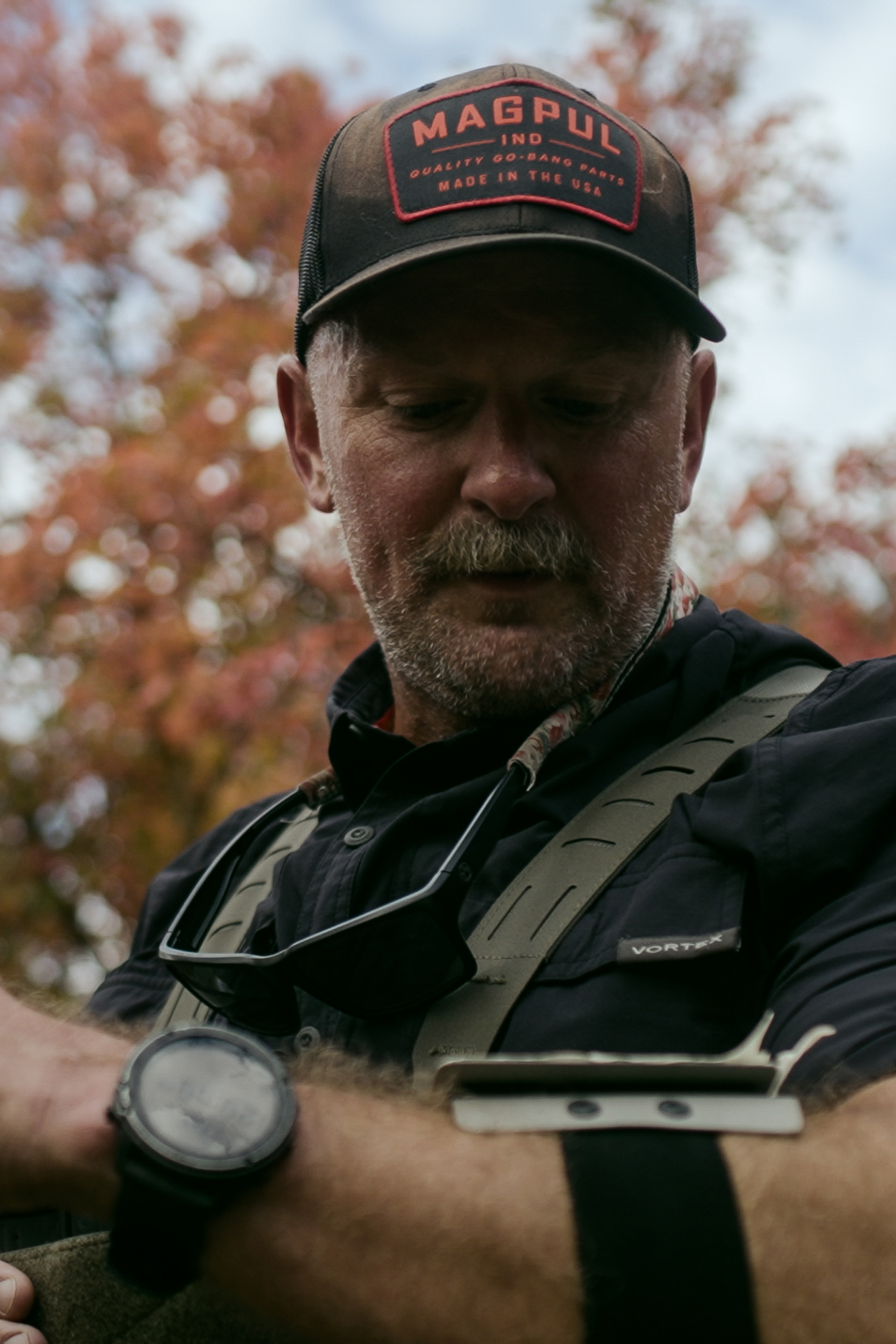
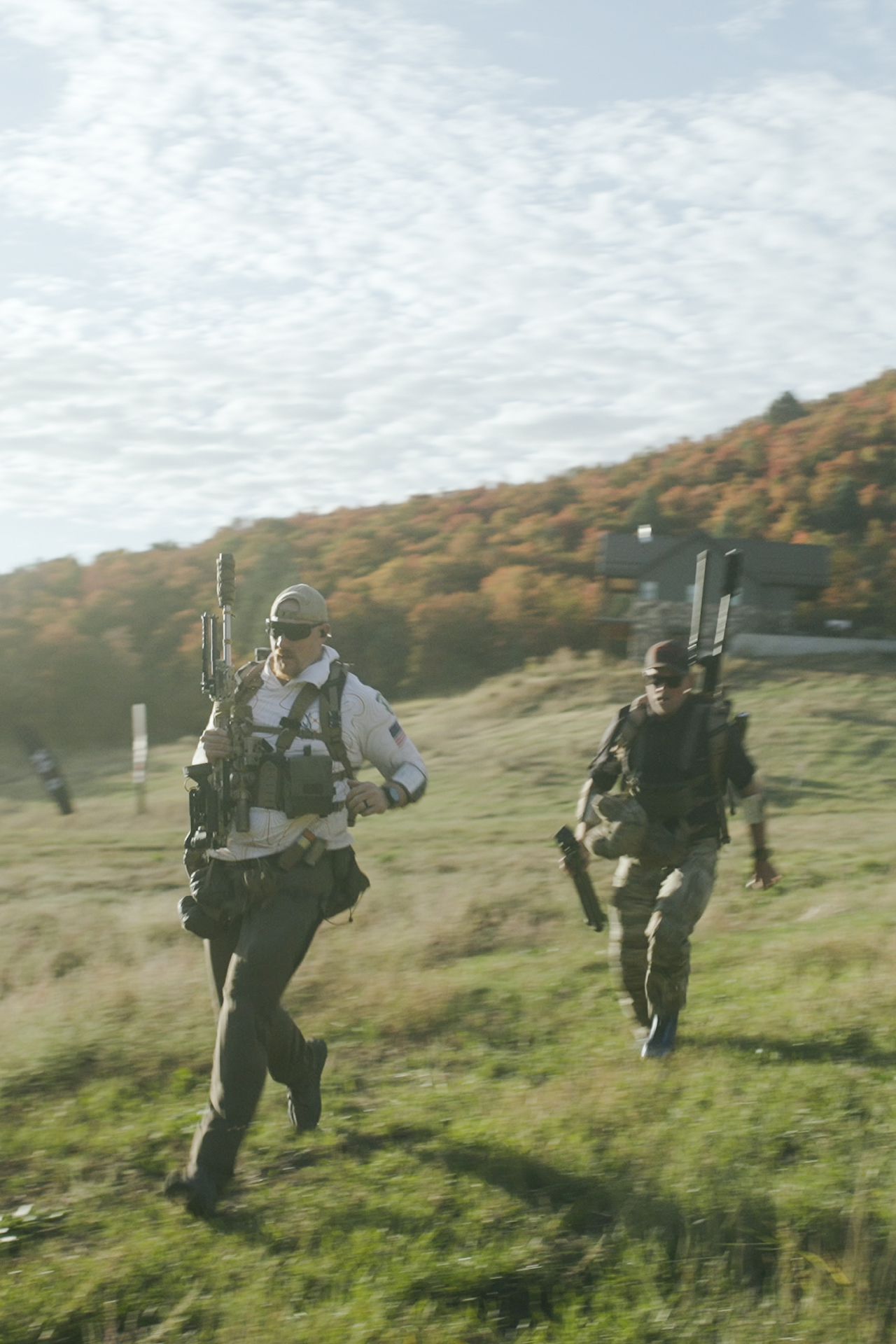
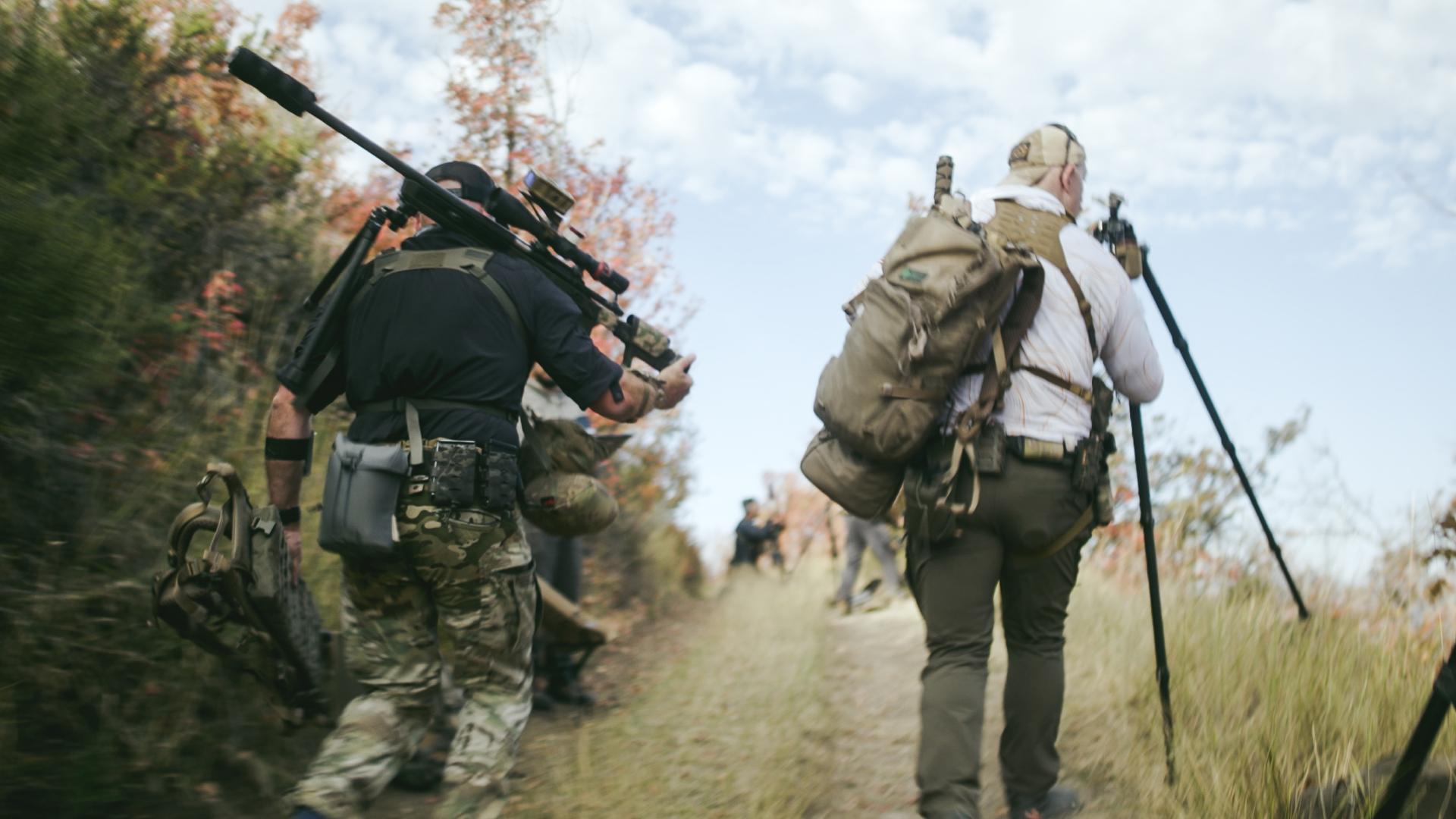
Joe Dixson was already climbing toward the next course of fire when he realized his tripod was still at the first stage. Ahead: steep sidehills, distant movers, and targets buried in vegetation. Behind: a very useful piece of equipment. Besides him, Ryan Miller, a former left tackle in the NFL, still had a mountain to climb, too. They kept moving.
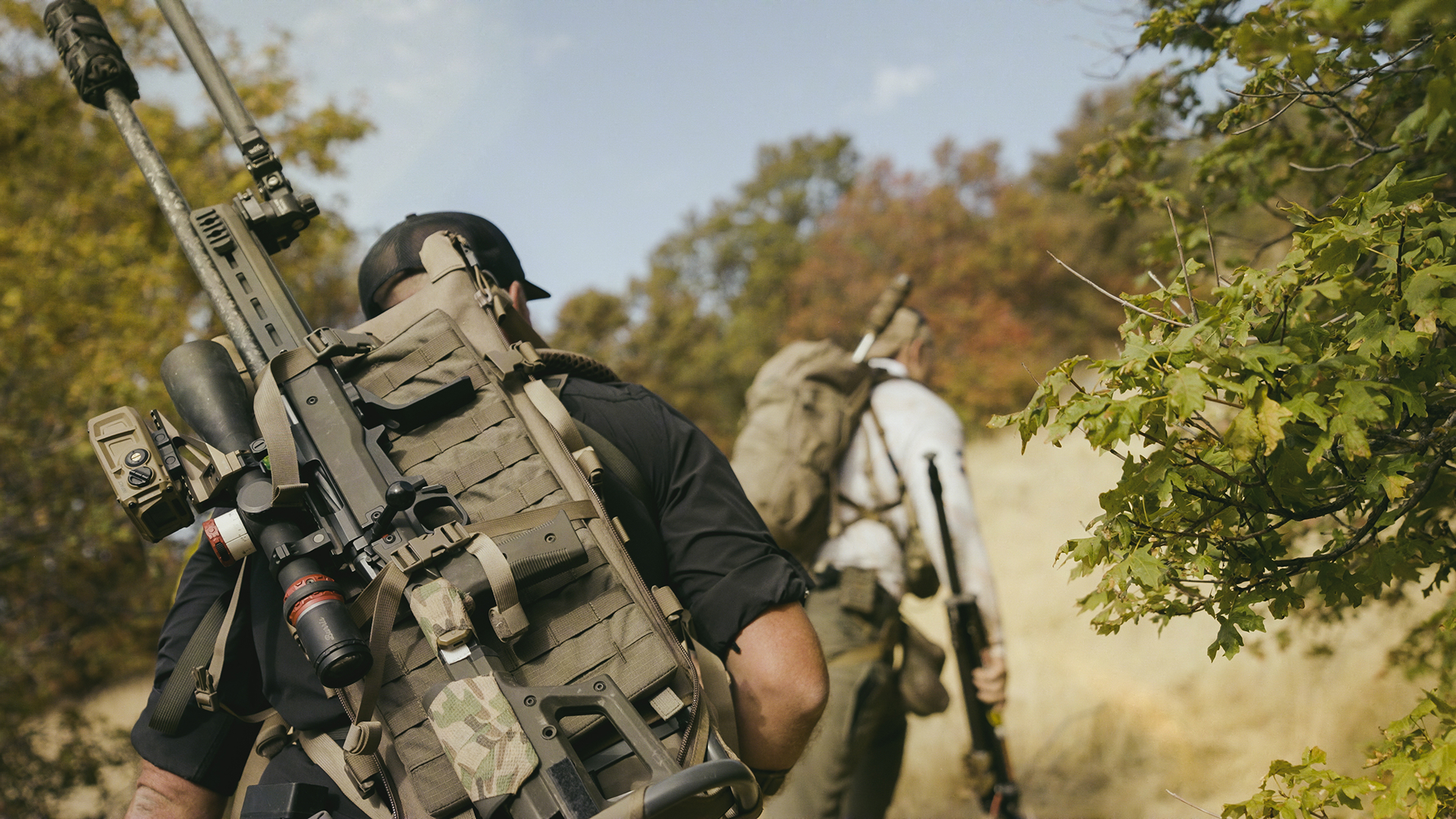
The Marathon Mountain Sniper Team Challenge, presented by Kinetic Comps, brought the pair to Day Mountain Ranch in Preston, Idaho, September 25–27, 2026. Part of the Sniper Team Series, the match sent teams across roughly four to five miles of terrain to find, range, and engage targets generally spanning 300 to 1,500 yards. Winds ran from 6 to 17 mph.
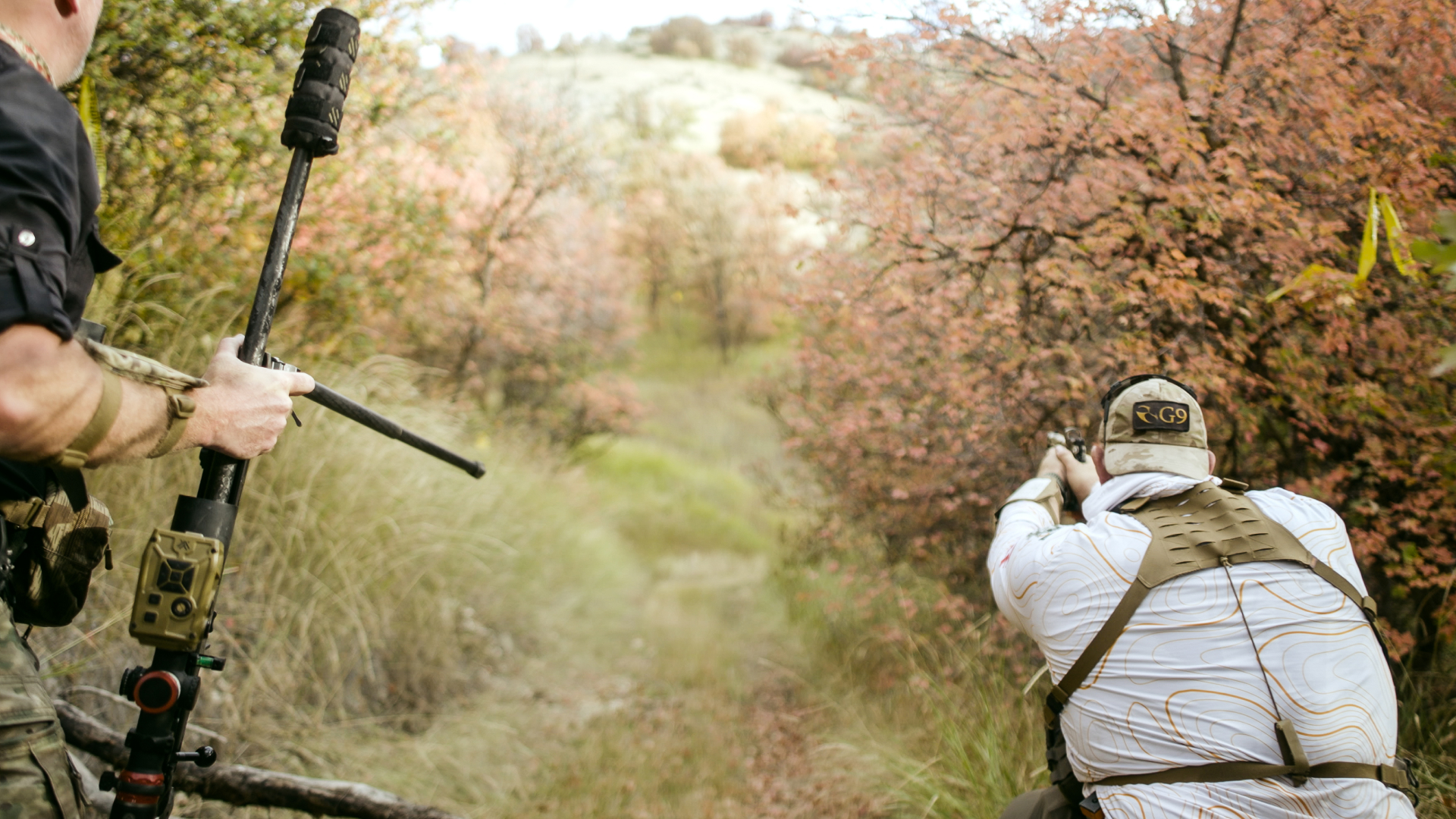
At the next stop, an optional pistol challenge offered six minutes off their time. Each shooter had eight rounds to make three hits. Miller got his three in five shots. Dixson took the borrowed pistol, connected twice, and ran out of chances. No time reduction. And now, the realization about the tripod.
Joe had saved weight in two ways. Only one was intentional.
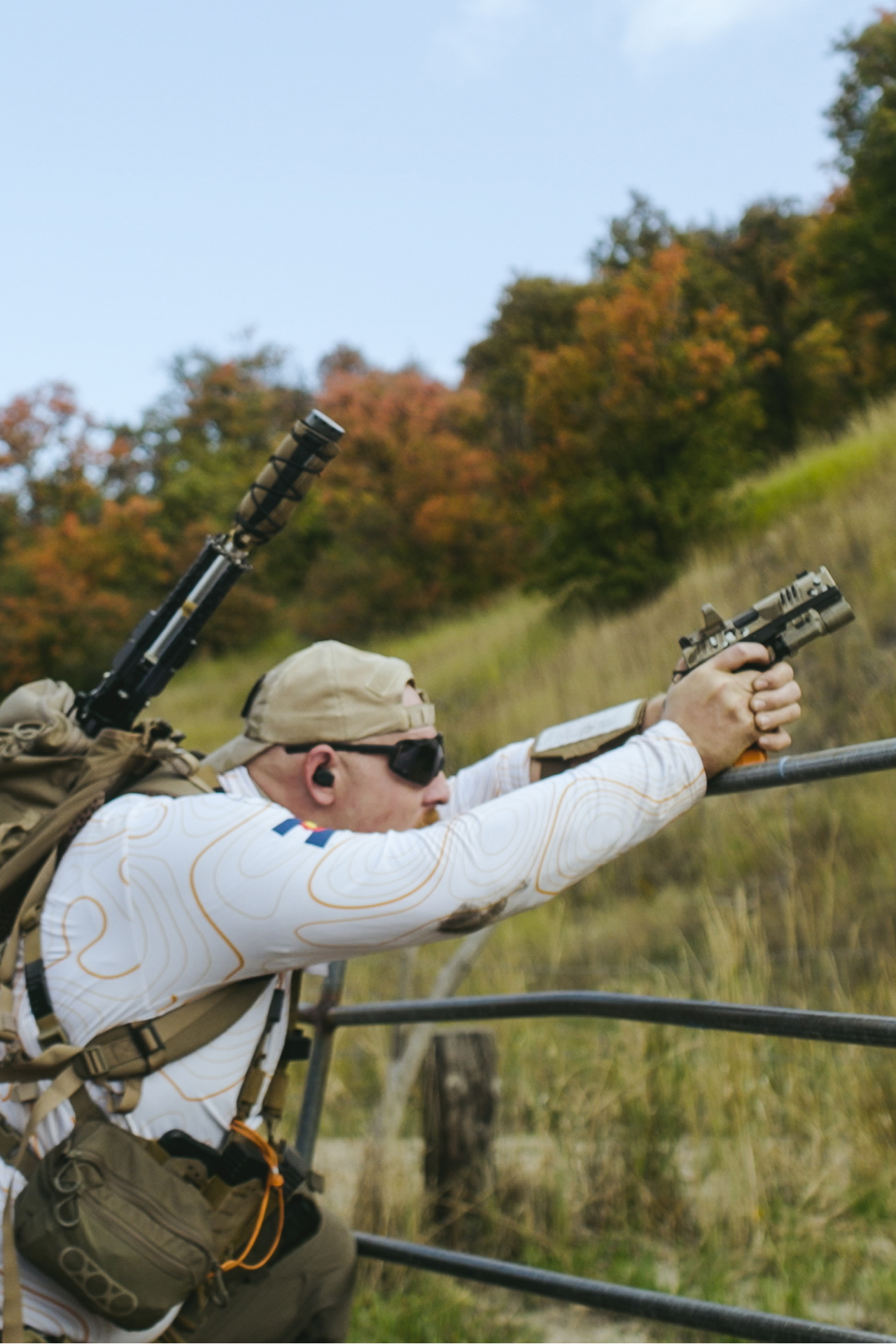
The next rifle targets sat roughly 300 to 500 meters away, tucked into vegetation. Miller handled the pistol work while Dixson searched for five white head targets. Three appeared quickly. The others ate time. With the team nearly ready to leave, Dixson caught a fleck of white through the brush. He fired.
Impact.
One more target down, and finally something to think about besides the tripod. Two mover stages followed, separated by roughly 800-meter runs. Dixson extended his bipod and settled into the steep sidehill. Some targets were beyond 1,200 meters. One engagement consumed a magazine before he checked the range again. Corrected distance. Next round. Hit.
Expensive confirmation.
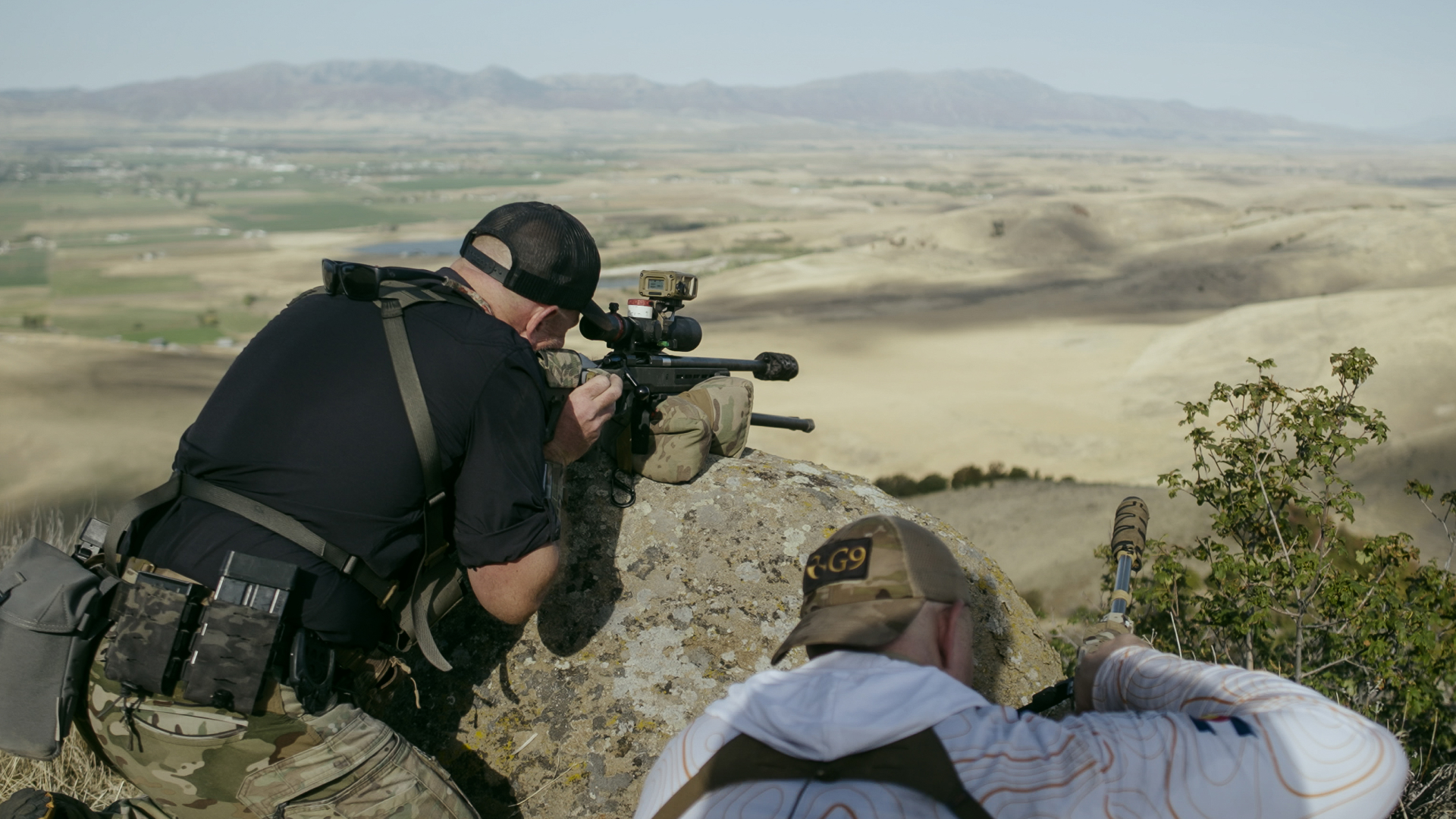
Then he connected on a distant mover with a shot he knew was lower percentage than it should have been. Miller celebrated. Dixson took the points but knew better than to confuse a good result with a good decision.
A tower stage slowed them down. Narrow catwalk. Awkward position. Stubborn targets. They burned time and ammunition, collected roughly half the points, and pulled out. Another steep climb waited.
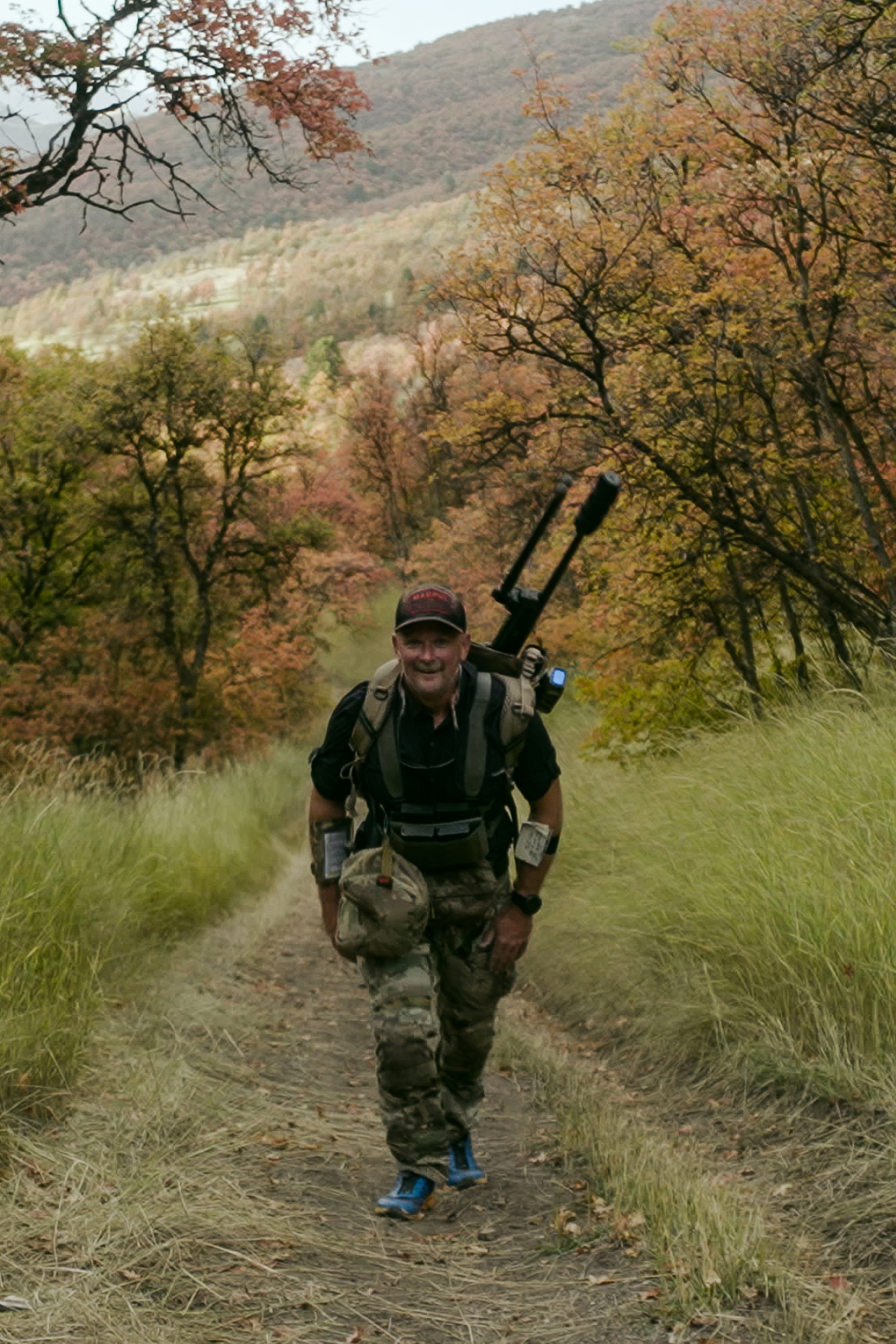
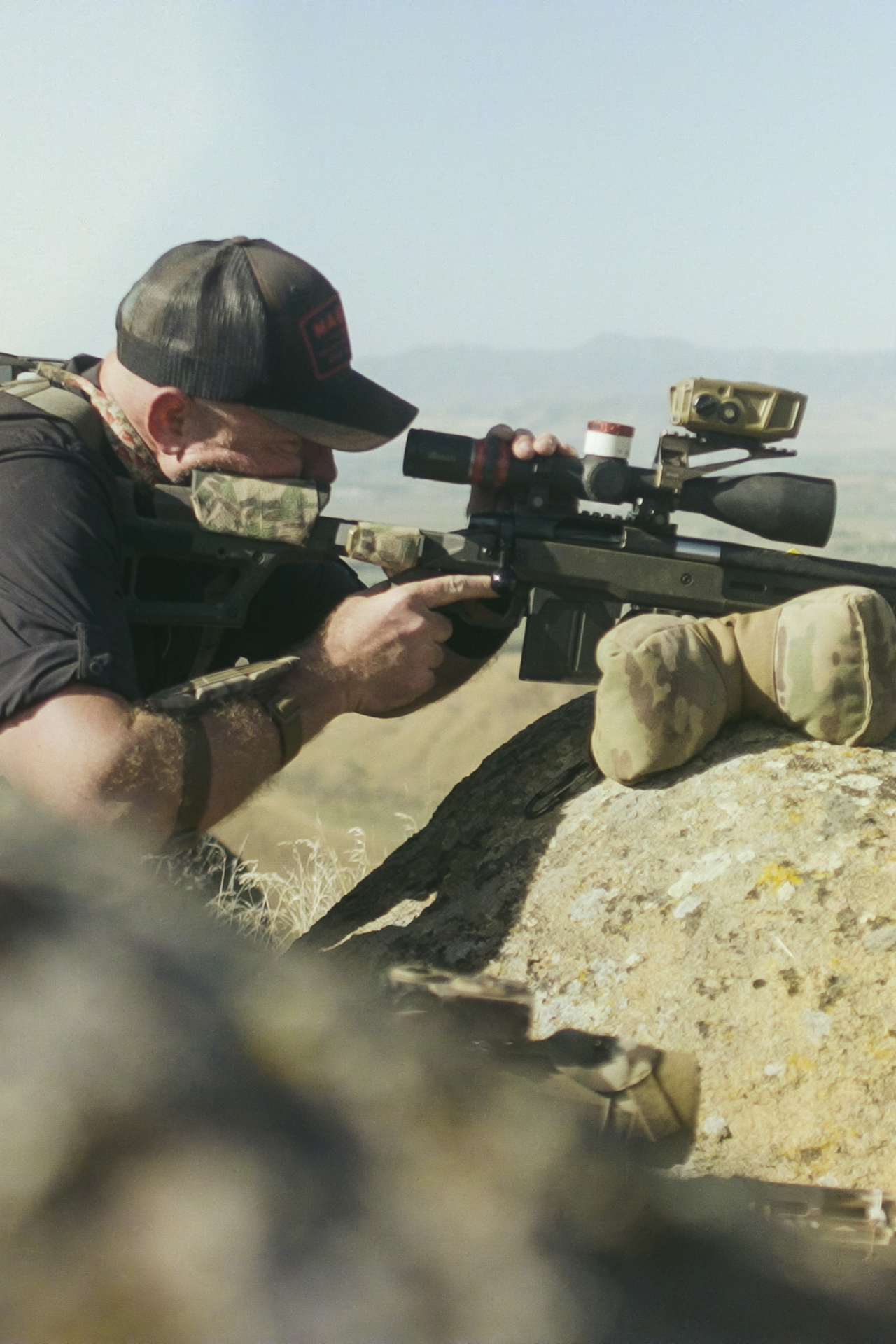
At the top, a brief wrong turn ended when a suppressed shot pointed them toward the next stage. Steel started around 1,100 meters. Miller hit more targets than Dixson. The day before, Dixson had questioned Miller’s lighter projectile choice. Now his teammate was supplying a fairly persuasive rebuttal. On the descent, an optional stage offered another chance to shave time. Dixson watched the preceding team and built a plan but didn’t clearly communicate the target sequence. Miller sent three rounds at one target instead of three separate targets.
No bonus. Dixson owned the mistake. They moved on.
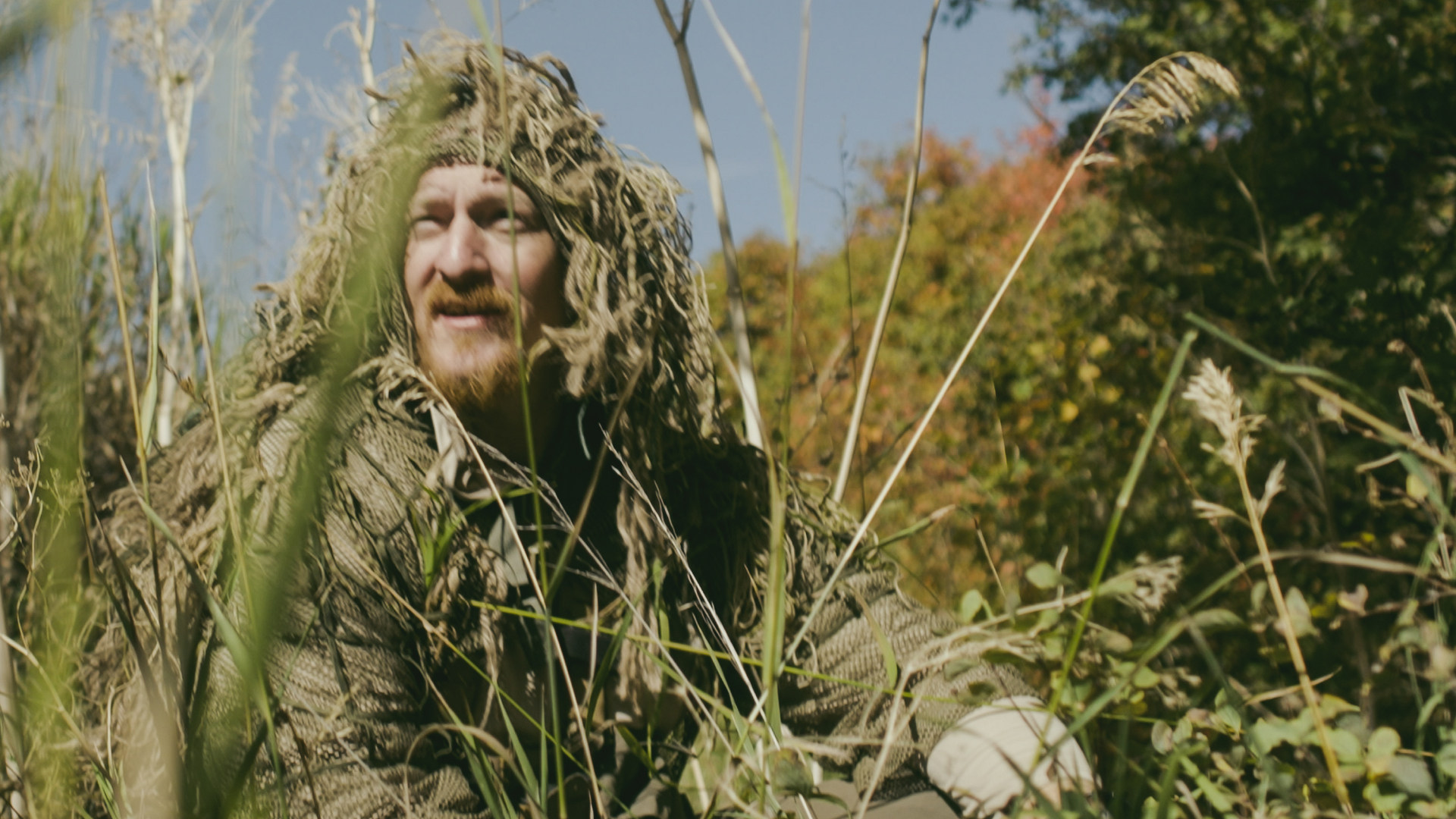
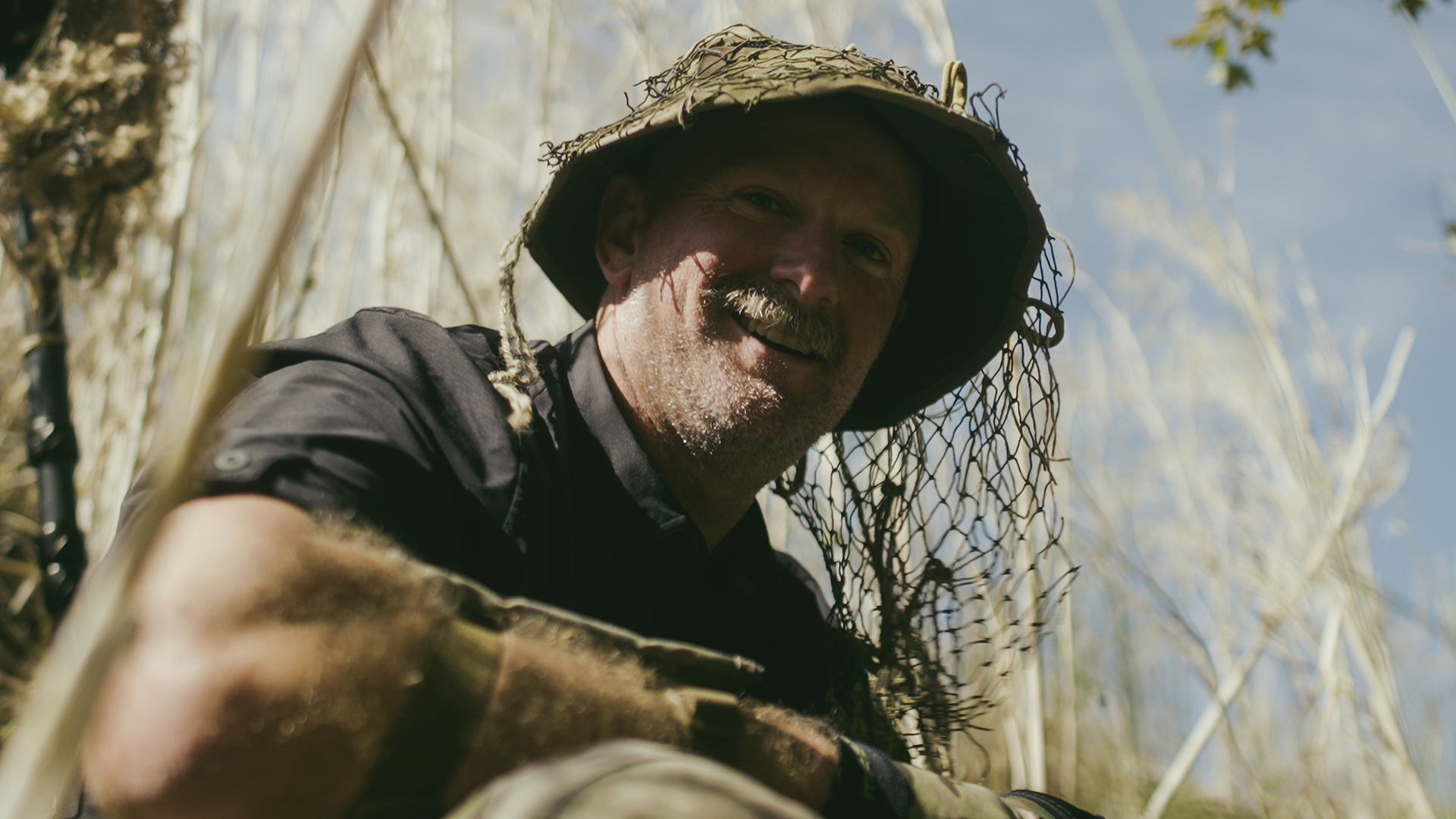
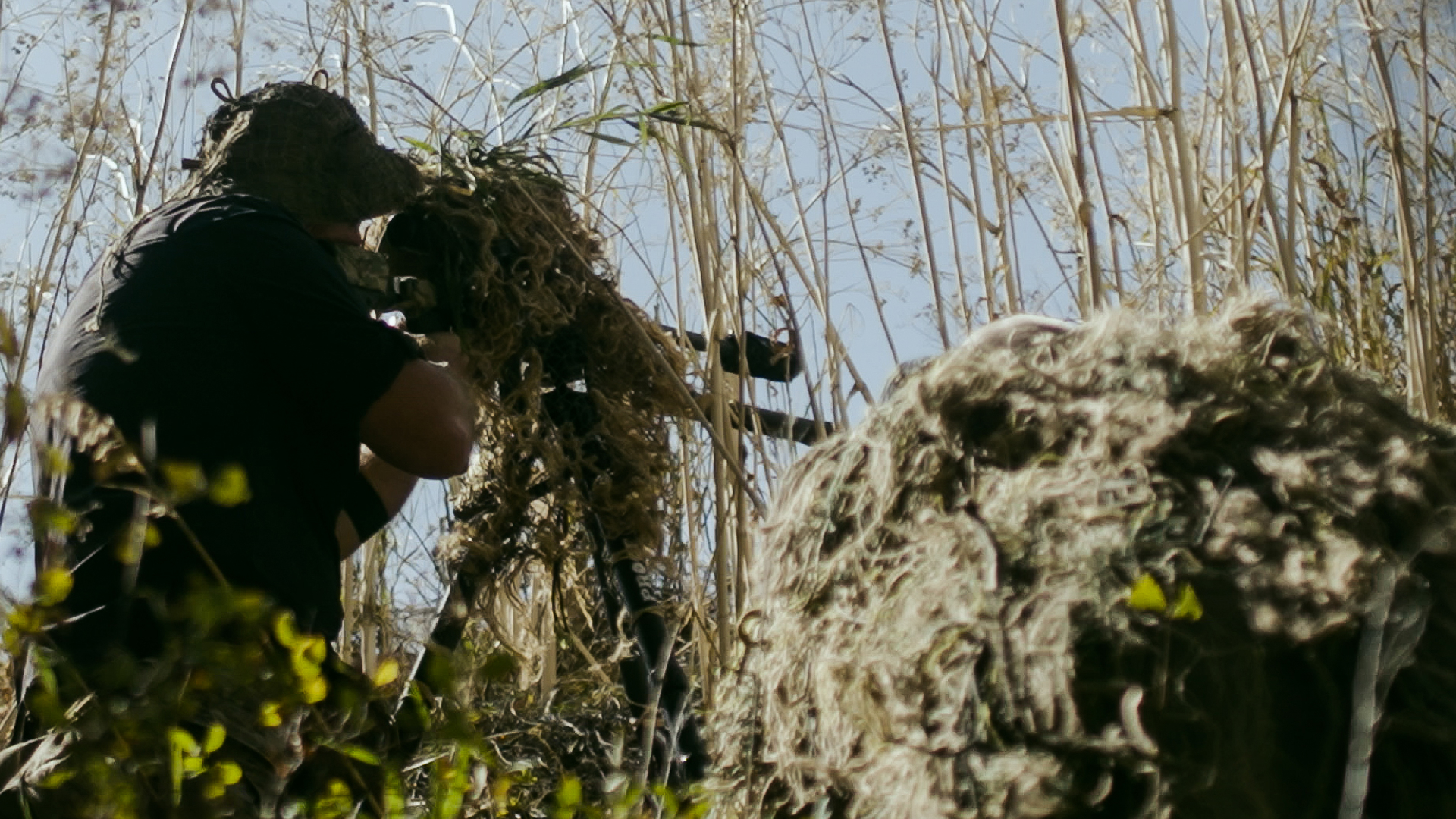
The pair passed another team approaching the finish, lungs working hard. Then an RO called out: “Muster here. You’ve got a speed stalk next!” Miller had never done a stalk. Dixson had never done a speed stalk. Twenty minutes. Find the assigned target, establish a concealed position, and make a live-fire shot without being detected by a spotter.
Miller’s previous professional experience involved protecting a quarterback’s blind side. He handed this problem to Dixson. They moved into the vegetation, found their target, built the position, and fired. The RO sent them out. Results would come later.
Other experienced competitors looked unhappy. Waiting gave Dixson time to consider every possible way the stage could have gone wrong. Then a familiar competitor, Bucci, delivered the verdict.
They’d center-punched it.
Miller was ecstatic. Dixson was relieved. This time, they were done. It was time to drink some buckskins and debrief of the day: the hits, the misses, the equipment left behind. Some mistakes were already getting funnier. Others went on the list for next time.